
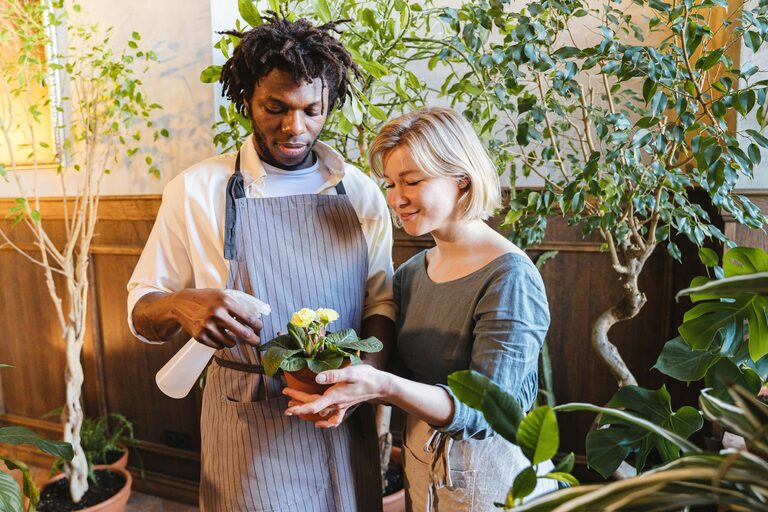
Houseplants can brighten a room, improve its appearance, and bring a relaxing touch of nature indoors. While every plant has different needs, most houseplants stay healthy when they receive the right balance of light, water, air, and care.
You do not need a complicated routine to grow healthy plants. A few simple habits can help prevent common problems and keep your indoor garden looking fresh.
Choose the Right Plant for Your Space
The best plant for your home is one that matches your indoor conditions. Before buying a plant, consider the amount of natural light, room temperature, humidity, and space available.
Check the Light
Look at the area where you plan to place the plant. Is it near a bright window, in indirect light, or in a darker corner? A plant that needs bright light may struggle in a dim room, while a shade-loving plant may develop scorched leaves near a hot, sunny window.
Common light levels include:
– Bright direct light: Sunlight reaches the leaves for several hours.
– Bright indirect light: The room is bright, but the plant is protected from direct sun.
– Low light: The area receives limited natural light.
Plant labels often describe the preferred light level. Matching the plant to your home is easier than trying to change unsuitable conditions later.
Water Carefully
Overwatering is one of the most common causes of unhealthy houseplants. Many plants suffer because their roots remain wet for too long, which can lead to root damage.
Instead of watering on a strict schedule, check the soil first. Press a finger about an inch into the soil. If it feels dry at that depth, the plant may need water. If it still feels damp, wait a little longer.
When watering, follow these steps:
- Water slowly and evenly over the soil.
- Continue until a little water runs from the drainage holes.
- Empty excess water from the saucer or outer container.
- Allow the soil to dry as much as the plant requires before watering again.
Plants in bright, warm areas may need water more often than those in cool or shaded rooms. Seasonal changes can also affect how quickly soil dries.
Use Pots With Drainage Holes
Good drainage is essential for most houseplants. A pot with drainage holes allows extra water to escape instead of collecting around the roots.
If you use a decorative container without holes, keep the plant in a smaller nursery pot with drainage. Place the nursery pot inside the decorative container, then remove it when watering so excess water can drain fully.
Avoid leaving a plant in standing water. Even plants that enjoy moist soil usually need air around their roots.
Provide Suitable Soil
Different plants grow best in different types of soil. Most common houseplants do well in a loose, well-draining indoor potting mix. Cacti and succulents usually need a grittier mix that allows water to pass through quickly.
Avoid using soil from the garden for indoor containers. It may be too dense and can contain pests or other unwanted material. Fresh potting mix also provides better air circulation around the roots.
Over time, soil can become compacted. If water sits on the surface or drains very slowly, gently loosen the top layer with a small tool. Be careful not to damage the roots.
Find the Best Location
Place plants away from sudden temperature changes. Drafts from doors, windows, heating vents, and air conditioners can stress some plants.
Most houseplants prefer steady indoor temperatures. Keep them away from very hot radiators, fireplaces, and appliances that produce heat. Also avoid placing delicate plants against cold windows during winter.
Give each plant enough room for its leaves to spread. Crowded plants may have poor air circulation, which can encourage leaf problems and pests.
Maintain Healthy Humidity
Many indoor plants grow well in average household humidity, but tropical plants may benefit from extra moisture in the air. Dry indoor air is especially common during the winter heating season.
You can gently increase humidity by:
– Grouping plants together
– Using a room humidifier
– Placing a water-filled tray near the plants
– Moving plants away from heaters and vents
If you use a pebble tray, make sure the pot sits above the water rather than directly in it. The roots should not remain submerged.
Misting leaves may provide only temporary moisture and can leave leaves wet for too long. Good air circulation is important, particularly in humid areas.
Clean the Leaves
Dust can collect on broad leaves and reduce the amount of light they receive. It can also make it harder to notice early signs of pests or leaf damage.
Every few weeks, gently wipe large leaves with a soft, damp cloth. Support the leaf with one hand while cleaning it with the other. For smaller plants, a gentle rinse may work if the plant can drain properly afterward.
Avoid using household cleaning products or oily leaf-shine products. They may damage the natural surface of the leaves.
Feed Plants During Active Growth
Houseplants use nutrients from the soil, but those nutrients gradually become depleted. During the growing season, many plants benefit from a balanced indoor plant fertilizer.
Always follow the instructions on the product label. Applying more fertilizer than recommended can damage roots and leaves. It is usually better to use too little than too much.
Plants often need less fertilizer during periods of slow growth, such as winter. Newly repotted plants may also not need immediate feeding because fresh potting mix often contains nutrients.
Inspect Plants for Pests
Check your plants regularly, especially the undersides of leaves and the areas where leaves meet stems. Early inspection can help you address small problems before they spread.
Signs of pests may include:
– Tiny insects on leaves or stems
– Fine webbing
– Sticky residue
– Yellowing leaves
– Small spots or distorted new growth
If you notice pests, move the plant away from others. Wipe the leaves gently and use a product made for indoor plants according to its label. Inspect nearby plants as well, since pests can spread.
Prune and Remove Damaged Growth
Remove yellow, brown, or dead leaves with clean scissors. This improves the plant’s appearance and allows it to focus energy on healthy growth.
Trim damaged stems just above a healthy leaf or node. Avoid removing too much at once, especially from a small or stressed plant. Regular pruning can also help control size and encourage fuller growth.
Always clean pruning tools before and after use. This helps reduce the chance of spreading problems between plants.
Repot When Necessary
A plant may need a larger pot if roots are tightly packed, water runs through the container immediately, or growth has slowed despite proper care. Repotting is also useful when the soil has broken down or drainage has become poor.
Choose a pot only slightly larger than the current one. A container that is much too large can hold excess moisture around the roots.
After repotting, water according to the plant’s needs and place it in suitable light. Give the plant time to adjust before making additional changes.
Create a Simple Care Routine
A consistent routine makes plant care easier. Once a week, check the soil, inspect the leaves, rotate pots, and remove dead growth. Every few weeks, clean dusty leaves and check for pests.
Keep a simple note of watering dates if you tend to forget. However, use the plant and soil as your main guide rather than following a fixed calendar.
Healthy houseplants respond best to steady care. By providing suitable light, careful watering, good drainage, and regular observation, you can help your indoor plants thrive throughout the year.