
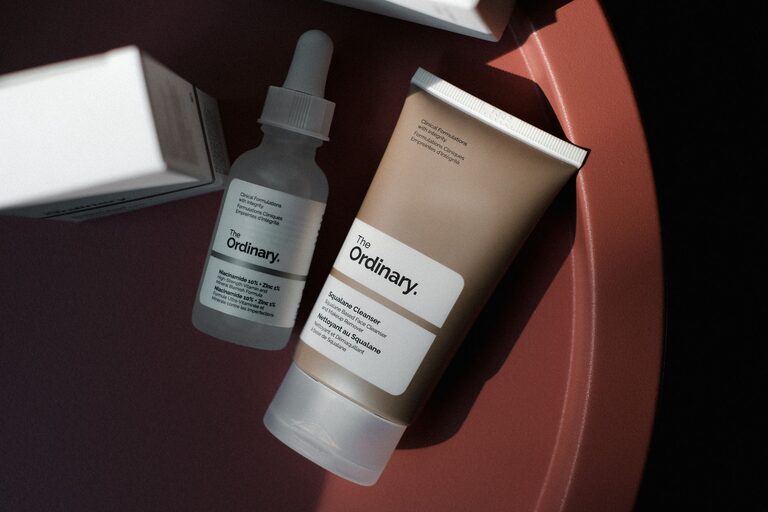
Starting a skincare routine does not have to mean buying a shelf full of products. A simple routine with a few well-chosen basics can help keep your skin clean, comfortable, and protected. The key is consistency: use products that suit your skin, introduce changes slowly, and give your routine time to work.
The three basics of skincare
A basic routine usually includes three steps:
- **Cleanser** to remove dirt, oil, makeup, and sunscreen
- **Moisturizer** to support comfortable, hydrated skin
- **Sunscreen** to help protect skin from sun exposure
These steps can be used by most beginners. Once your skin is comfortable with the basics, you can consider adding optional products for specific preferences, such as a gentle exfoliant or a serum.
Step 1: Choose a gentle cleanser
Cleansing removes buildup from the surface of your skin. It can also help prepare your skin for other products.
Look for a cleanser that is:
– Gentle and suitable for daily use
– Easy to rinse off
– Free of a strong fragrance if your skin is easily irritated
– Comfortable rather than tight or dry after washing
A foaming cleanser may feel refreshing, while a cream or gel cleanser may feel more comfortable on dry or sensitive skin. There is no single best texture for everyone, so choose one that leaves your skin feeling clean but not stripped.
Use lukewarm water instead of very hot water, which can feel drying. Apply the cleanser with clean fingertips and avoid scrubbing hard. Rinse thoroughly and pat your face dry with a clean towel.
Most people can cleanse in the morning and evening. If your skin feels dry or tight, cleansing once in the evening may be enough, with a water rinse in the morning.
Removing makeup and sunscreen
If you wear makeup or water-resistant sunscreen, you may prefer a first cleansing step with micellar water, cleansing balm, or cleansing oil. Follow with a gentle cleanser if needed. Avoid rubbing the eye area, and use a product designed for removing eye makeup when appropriate.
Step 2: Use a moisturizer
Moisturizer helps reduce the feeling of dryness and leaves skin feeling smoother. It can be useful for all skin types, including oily skin.
Choose a texture based on how your skin feels:
– Gel moisturizers: Lightweight and often comfortable for oily or combination skin
– Lotions: A balanced option for many skin types
– Creams: Richer and often preferred by dry skin
– Balms or ointments: Very rich options for areas that feel especially dry
If your skin becomes shiny quickly, look for a lightweight, non-comedogenic formula. If your skin feels rough or tight, a creamier product may be more comfortable.
Apply moisturizer after cleansing while your skin is slightly damp. This can help lock in surface moisture and make the product easier to spread. A small amount is usually enough; applying more does not always provide better results.
Step 3: Apply sunscreen in the morning
Sunscreen is an important morning step, especially when you will spend time outdoors. Choose a broad-spectrum sunscreen with SPF 30 or higher, and apply it as the last step of your morning skincare routine.
Helpful tips include:
– Apply sunscreen to the face, ears, neck, and other exposed areas
– Use enough to cover the skin evenly
– Reapply during extended outdoor activities, swimming, or heavy sweating
– Wear a hat or seek shade when practical
Sunscreen comes in different finishes and textures. A fluid formula may feel light, while a cream may feel more moisturizing. If you dislike the texture, try another formula so you can find one you will use consistently.
Remember that sunscreen is not only for bright, sunny days. Sun exposure can happen during everyday activities, so make it part of your regular morning routine.
A simple morning routine
A beginner-friendly morning routine can look like this:
- Cleanse or rinse with water
- Apply moisturizer
- Apply sunscreen
If you use a serum or another optional product, apply it after cleansing and before moisturizer. Keep the routine short enough that it is easy to repeat every day.
A simple evening routine
An evening routine can include:
- Remove makeup or sunscreen if needed
- Cleanse
- Apply an optional treatment
- Moisturize
The evening is a convenient time to use products that are not intended for sun exposure. However, beginners do not need a treatment product right away. Start with cleansing and moisturizing first.
Adding optional products
After using the basic routine consistently for a few weeks, you may decide to add one extra product. Choose it based on your personal goals and introduce only one new product at a time.
Common options include:
– Hydrating serums: Designed to add a lightweight layer of moisture
– Exfoliants: Help remove dead surface skin, but may be irritating if used too often
– Spot products: Used on specific areas rather than the entire face
– Soothing products: Made for skin that feels uncomfortable or easily stressed
More products do not automatically create better results. Using several active products at once can make it difficult to know what works and may leave your skin feeling irritated. Start once or twice a week for an optional treatment, follow the product directions, and increase use only if your skin remains comfortable.
Patch test new products
Before applying a new product all over your face, test a small amount on a discreet area, such as the inner arm or behind the ear. Follow the product instructions and observe how your skin feels over the next day or two.
Stop using a product if you notice significant redness, swelling, burning, itching, or discomfort. If a reaction is severe or does not improve, contact a qualified health professional for guidance.
Patch testing cannot guarantee that a product will never cause a reaction, but it can be a useful precaution when trying something new.
Common beginner mistakes to avoid
A few habits can make a routine harder to maintain:
Changing too many products at once
If you add several products together, you may not know which one is helping or causing discomfort. Introduce products one at a time.
Overwashing or scrubbing
Washing too often or using rough scrubs can leave skin feeling uncomfortable. Gentle cleansing is usually more useful than aggressive rubbing.
Ignoring the neck and ears
These areas may also be exposed to the sun and can benefit from the same basic care, especially sunscreen and moisturizer.
Expecting instant results
Skincare often requires consistent use over time. Give a simple routine several weeks before deciding whether it suits you, unless a product causes irritation.
Choosing products based only on trends
Popular products are not always the right match for your skin or lifestyle. Focus on your needs, comfort, budget, and willingness to use the product regularly.
Keep your routine simple and consistent
A basic skincare routine should fit easily into your day. Start with a gentle cleanser, a comfortable moisturizer, and a broad-spectrum sunscreen. Once those steps feel manageable, you can decide whether an additional product is necessary.
Pay attention to how your skin feels, make changes gradually, and keep product packaging clean and closed. If you have ongoing concerns or persistent irritation, a dermatologist can provide personalized guidance.